


 English
 Pусский
 ไทย
 Tiếng Việt

Model silinder hidrolik
A hydraulic cylinder is a mechanical actuator that converts hydraulic energy into linear motion and force. It is a critical component in various industrial, construction, and mobile equipment applications, providing the necessary power to move, lift, or position heavy loads with precision and efficiency. The design and functionality of a hydraulic cylinder model depend on its intended use, but most share common features and principles.At its core, a hydraulic cylinder consists of a cylindrical barrel, a piston, a piston rod, and end caps. The barrel houses the piston, which divides the cylinder into two chambers: the rod side and the cap side. Hydraulic fluid is pumped into one of these chambers, creating pressure that moves the piston and, consequently, the piston rod. The rod extends or retracts, depending on the direction of the fluid flow, generating the desired mechanical motion.There are several types of hydraulic cylinders, each suited to specific applications. Single-acting cylinders use hydraulic pressure to extend the rod, with an external force (such as gravity or a spring) returning it to its original position. Double-acting cylinders, on the other hand, use hydraulic pressure for both extension and retraction, offering greater control and versatility. Telescopic cylinders feature multiple nested stages, allowing for a compact design with a long stroke length, ideal for applications like dump trucks or cranes.The materials used in hydraulic cylinder construction are selected for their strength, durability, and resistance to wear and corrosion. The barrel is typically made from high-strength steel or stainless steel, while the piston rod is often chrome-plated to enhance its hardness and resistance to abrasion. Seals and gaskets, made from materials like nitrile rubber or polyurethane, ensure the cylinder remains leak-free and operates efficiently under high pressure.Key factors to consider when selecting a hydraulic cylinder model include the required force, stroke length, operating pressure, and mounting style. The force output is determined by the piston area and the hydraulic pressure, while the stroke length defines the range of motion. Operating pressure must align with the system’s capabilities to ensure safe and reliable performance. Mounting styles, such as clevis, flange, or trunnion, are chosen based on the application’s mechanical requirements.Hydraulic cylinders are widely used in industries such as manufacturing, agriculture, mining, and aerospace. They power machinery like excavators, presses, forklifts, and aircraft landing gear, demonstrating their versatility and importance. Regular maintenance, including inspecting seals, checking for leaks, and monitoring fluid cleanliness, is essential to prolong the cylinder’s lifespan and maintain optimal performance.In summary, a hydraulic cylinder model is a robust and efficient device that plays a vital role in countless mechanical systems. Its design, materials, and specifications are tailored to meet the demands of specific applications, ensuring reliable operation and precise control in even the most challenging environments.
Produk
Kategori:
-
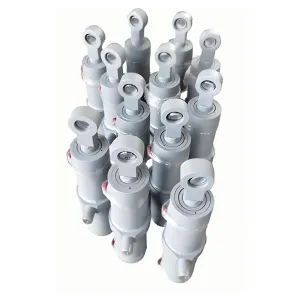
Kustomisasi silinder non-standar
Klasifikasi mereka: Silinder hidrolikTampilan: 770Nomor:Waktu rilis: 2025-07-31 13:34:31Di dunia teknik dan manufaktur, silinder memainkan peran penting dalam berbagai aplikasi. Dari sistem hidrolik ke mesin pneumatik, silinder adalah komponen penting yang mengubah daya cairan menjadi gerakan linier. Sementara silinder standar tersedia secara luas dan melayani banyak aplikasi tujuan umum, ada beberapa contoh di mana desain standar gagal memenuhi persyaratan khusus. Di sinilah kustomisasi silinder non-standar ikut berperan.
Berita
Kategori:
Tidak ada hasil pencarian!
Kasus
Kategori:

Video
Kategori:

Download
Kategori:
Tidak ada hasil pencarian!
Rekrutmen
Kategori:
Tidak ada hasil pencarian!
Produk yang direkomendasikan
Tidak ada hasil pencarian!



 ada apa
 Telepon